Top Erapickleball.com Resources for Pickleball Near Me
Finding a reliable hub for pickleball information can feel like searching for a signal in a crowded court. You want a place that translates that playful, competitive energy into practical guidance you can act on. Era Pickleball has built a repository of resources that many players rely on as they navigate indoor and outdoor courts, memberships, leagues, and lessons. This article digs into what those resources offer, how they fit into real-life pickleball life, and how you can leverage them to level up your game without wasting time chasing vague promises or outdated directories.
From the first time I toured an Era Pickleball facility, the vibe was tangible. The monitors in the lobby displayed court availability in real time, players warmed up on adjacent courts, and the staff greeted you by name even on a busy Saturday. It felt less like a random gym and more like a community with a shared language. That sense of belonging matters, because the right resource doesn’t just tell you where to play; it helps you plan, train, and connect with partners who push you to improve. Here is a guided tour through the most useful Era Pickleball resources and how to use them to find, compare, and commit to the best pickleball experiences near you.
The practical map of Era Pickleball’s resources begins with the basics: locating facilities and courts, whether you prefer indoor venues that shield you from weather or outdoor courts that let the sun and a fresh breeze sharpen your footwork. Indoor and outdoor courts have different rhythms. Indoor courts tend to offer more consistent lighting, controlled surface conditions, and predictable air flow. Outdoor courts reward a read of wind patterns and sun angles, but they can double as social hubs on nice days. Era Pickleball’s site lays out each option with clarity, often anchoring listings to specific cities or neighborhoods and tagging them as indoor or outdoor. That small distinction can shape your weekly plan, your training routines, and your social calendar.
A big portion of Era Pickleball’s usefulness comes from its community features. When I first started, I found the league pages and the club information to be especially valuable. A well-organized league schedule lets you peek at match times, court assignments, and roster openings without calling the front desk every hour. The club pages tend to highlight member benefits and upcoming social play, which is where many players turn from casual to committed. If you’re trying to decide whether to pursue a formal membership or simply drop in for open play, those pages are the fastest way to understand what you’re buying into and what you’re giving up in terms of flexibility. Over the years, I’ve seen players switch from casual drop-ins to a structured league in a single season, driven by the camaraderie and the practical convenience of recurring times that the Era Pickleball club pages helped them discover.
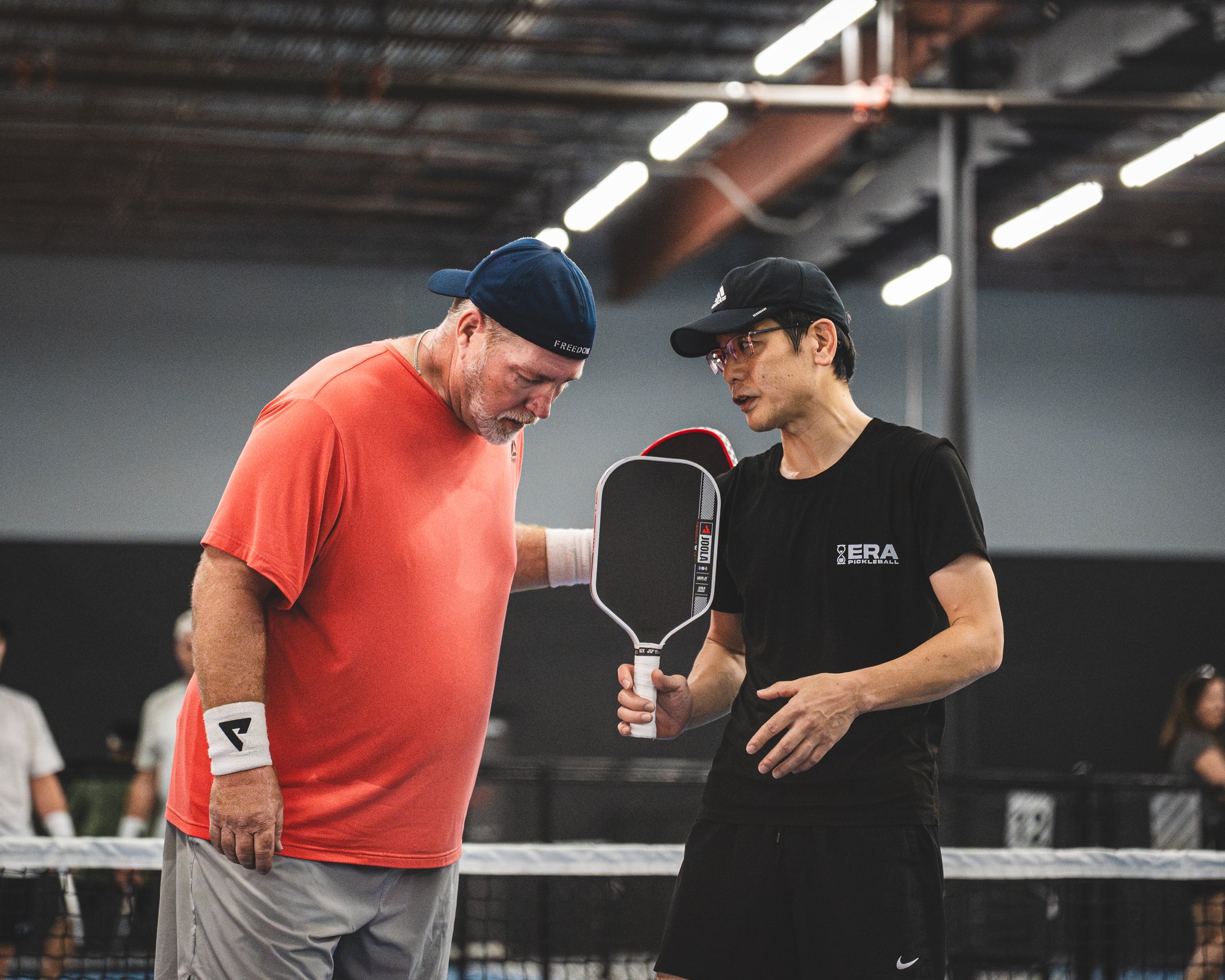
The resources for lessons, drills, and training sit at the heart of any serious player’s development plan. Era Pickleball often aggregates or links to instruction options, from one-on-one coaching to small-group clinics, and from fundamental form tips to advanced shot selection. The beauty of these resources is that they don’t pretend to replace on-court experience; they accelerate it. A well-placed drill collection paired with a schedule of regular open play creates a feedback loop: you click here try a new technique, record a quick note after the match, and apply it during the next practice. The site’s lesson pages frequently include price ranges, session lengths, and the typical skill level they target, along with location details. That level of specificity makes it easier to budget time and money while ensuring you’re not chasing a program that’s not aligned with your goals.
To make sense of Era Pickleball’s overall value, you want to connect the dots between facility information, membership options, and the social fabric built by leagues and clubs. The site often does a decent job of presenting this ecosystem as a path rather than a pile of options. You might start with an indoor facility for steady winter play, join a club to guarantee a weekly social, and sign up for a few lessons to sharpen the basics before entering a league. That sequencing mirrors real-life decisions for most players and helps you build momentum without feeling overwhelmed. When you follow that path, you begin to see the returns quickly: more consistent routes to play, more reliable court availability, and a network of partners who share your competitive pace.
The following sections unpack the practicalities of using Era Pickleball resources in ways that fit real-life schedules, budgets, and goals. I’ll share concrete examples from my own experience, highlight key decision points, and flag common traps to avoid. The aim is to give you a working framework you can apply this week, not a theoretical map of possible benefits you might someday enjoy.
Indoor versus outdoor: a pragmatic lens
If you live in a climate with distinct seasons, the difference between indoor and outdoor pickleball is not just about weather. Indoor spaces often provide consistent lighting, glossy court surfaces, and climate-controlled air that keeps ball bounce predictable. On a practical level, that means you can schedule more reliable practice times, which translates into fewer disruptions and more quality reps in a given week. It also means you’re less likely to cancel sessions because of wind gusts or rain delaying transportation or changing parking conditions. Era Pickleball’s site inputs clear tags for whether a facility is indoor or outdoor, plus a quick note on what makes each option unique in terms of scheduling and amenities. If you’re balancing work, kids, and a social life, this upfront clarity saves you countless hours of phone-tag and last-minute scrambles.
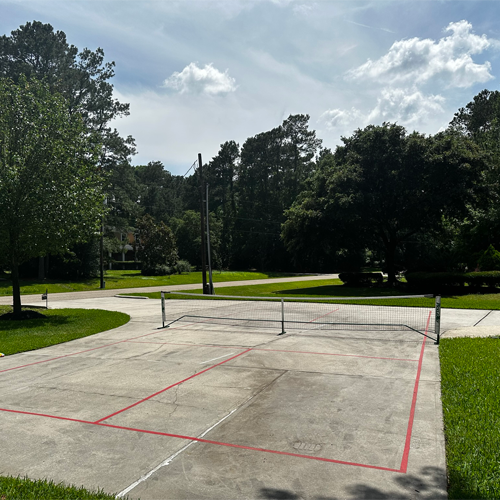
Outdoor venues, by contrast, are where you learn to manage variables: wind direction and speed, sun glare, and the friction differences between a fresh asphalt or concrete court and a seasoned sporting surface. In my experience, the best outdoor courts become well-oiled machines for players who know how to adjust their footwork to wind shifts and how to anticipate ball bounces that vary with temperature. Era Pickleball resources for outdoor facilities usually highlight shade availability, parking, and nearby amenities, which matter when you’re dragging gear a short distance or planning to stay for a post-match coffee. If your goal is to train in a way that simulates tournament conditions, outdoor practice with variable weather can actually be a sharper preparation than ideal indoor sessions.
Getting the most from facilities listings
The first practical step is to compare several facilities that show up in Era Pickleball searches near your home or workplace. Look for three things: court availability patterns, surface quality, and the overall management style of the site. A facility that posts real-time court status and a transparent monthly schedule tends to be more reliable than one that only publishes a static calendar. Surface quality is a subtle but essential factor: some courts offer a softer, more forgiving bounce that reduces joint stress during long sessions, while others are firmer and reward aggressive quick-change footwork. The management style matters because you want staff who understand how players use the space and who respond promptly to questions about booking, equipment, or class availability.
It’s also worth paying attention to what’s not obvious on the first glance. Are there morning slots that are consistently sparse, followed by a spike in late-afternoon availability? Do the facilities offer flexible memberships that scale with your participation level, or are you locked into a fixed plan that doesn’t fit your actual usage? Era Pickleball resources frequently discuss these operational details, often within the same pages that show you where to play. They’re not just about finding a court; they’re about understanding how a venue can become part of your weekly routine and how predictable that routine can be.
Memberships, clubs, and leagues: a practical decision framework
Many players treat membership as the lever that unlocks deeper engagement with the sport. In practice, a well-chosen membership or club can unlock priority court times, reduced per-visit fees, access to member-only clinics, and invitations to special events that broaden your network. The Era Pickleball pages typically present membership tiers with a clear outline of benefits, which makes it easier to map the financial value against your playing time and social goals. If you’re weighing a long-term commitment, you’ll want to quantify two or three metrics: the average number of visits you expect per month, the typical value of bundled clinics or social events, and the incremental cost per session when you compare a membership plan to pay-as-you-go pricing.
Leagues and clubs can be a powerful catalyst for skill improvement and personal growth. In tournaments or round-robin formats, you’ll encounter players who push you to elevate your game. The social element alone—the regular exposure to a rotating set of partners with different styles—can be the missing ingredient in a player’s advancement. Episodes from my own play history illustrate this point vividly: a year of weekly league play pushed my backhand drop shot from a novelty move to a staple in my arsenal, simply because I had a dedicated time and set of competitors to test it against. Era Pickleball’s league pages are especially helpful for timing: you can see when signups open, how many teams exist in a given division, and what the typical match length looks like. This kind of transparency eases decision fatigue and helps you commit to a plan rather than chasing a moving target.
Lessons and learning on the ground
If you want a real edge, pair the facility resources with lessons and drills. Era Pickleball lessons are not just about technique; they’re about developing a sustainable practice habit. A few clinics each month, aligned with your league schedule, can integrate specific drills into match play more effectively than isolated one-on-one sessions. The best lessons I’ve taken from Era Pickleball had three common elements: direct feedback on a targeted skill, a concrete practice plan that linked the lesson to the next open play or league session, and the opportunity to observe how other players handle similar situations. It’s one thing to be told to “improve your kitchen movement,” but it’s another to repeatedly see a fellow student execute a precise drop shot from the left corner and to test a similar pattern in your own play two days later. The site’s lesson pages sometimes include examples of drills, recommended practice durations, and ranges for session lengths, which is enough to assemble a practical mini-curriculum for a month or two.
Five actionable steps to start using Era Pickleball resources today
This is a compact, practical guide to turning the site’s information into a weekly plan:
1) Map your week around the most reliable practice slots. Start by identifying indoor courts with steady availability and pair them with one or two outdoor sessions when the weather allows. This creates a rhythm you can rely on, so you’re not constantly reshuffling plans.
2) Choose a primary facility and sign up for a basic membership or a flexible plan. Compare the value you gain from priority booking, reduced rates, and access to member-only events against your monthly budget and playing frequency.
3) Integrate a lesson cadence. Pick a monthly lesson or clinic that addresses a specific weakness you’ve noticed in match play, and schedule it in a way that aligns with at least two open-play sessions.
4) Join a club or league with a clear schedule. Look for a league that fits your skill level and whose match cadence mirrors your available time. The right league creates accountability and steady competition.
5) Track progress and adjust. After each week, jot a few notes about what worked in practice and what didn’t in games. Use Era Pickleball’s drill suggestions and the lesson summaries to guide your next steps.
A practical note on reading the site’s data
Era Pickleball’s resources thrive on clarity and real-world utility. The most helpful pages usually feature straightforward language, concise logistical details, and honest pricing or scheduling information. When a facility updates its court status in real time, it signals a culture of reliability. When a club page announces a new social event or a mid-month clinic with a guest coach, it reveals a community focused on growth and connection. The best sites weave this information with practical tips for players who commute, parents who shuttle kids, or professionals who need to squeeze in a two-hour practice window between meetings. The resulting experience is not about chasing the latest trend; it’s about building a durable, repeatable routine that supports steady improvement.
The cost dimension is real and must be treated with pragmatism. You will see price ranges across facilities, memberships, and clinics. The crucial step is to translate those ranges into a monthly budget that reflects your actual play frequency. If you play twice a week and attend one clinic per month, does a bundled membership make sense, or would a pay-as-you-go model be more economical? Era Pickleball resources help you model that decision with actual numbers and scenarios rather than vague promises. In my own life, a careful reading of membership benefits and clinic pricing helped me choose a plan that saved money while expanding my opportunities to play on both indoor and outdoor courts throughout the year.
A note on etiquette, safety, and sustainable practice
Beyond the numbers and schedules, there is a human element to all of this that Era Pickleball resources help you protect and nurture. The most successful players I’ve met balance aggressive play with courtesy: calling shots clearly, giving your opponent a fair amount of space at the net, and maintaining a pace that keeps play enjoyable for everyone on the court. The best facilities and clubs emphasize these norms in their communications and events. If you notice a facility that makes effort to educate players about etiquette, safety, and shared spaces, you’ve found a place that sustains long-term participation. That kind of environment will outlast a single season and often becomes a key reason players remain committed to the sport as their lives evolve.
What to expect as you build your Era Pickleball ecosystem
Like any growing sport, pickleball is a mosaic of people, places, and practices. Era Pickleball resources give you a framework to navigate that mosaic with less friction and more confidence. You’ll discover a spectrum of options—from indoor courts that offer dependable play to outdoor courts that invite you to adjust and adapt under changing conditions. You’ll encounter clubs and leagues that provide structured paths for development, alongside lessons and drills that translate practice into match performance. You’ll feel the value of a clear pricing structure and a predictable schedule, which reduces the stress that often accompanies trying to fit a crowded hobby into a busy life. And you’ll start to see how the pieces fit together as a system rather than as isolated components.
In my own career as a recreational player who has chased a weekly rhythm across multiple facilities, Era Pickleball has consistently delivered two things I value most: reliability and community. Reliability comes from the ability to check court availability and reserve space with a few clicks, the clarity around membership benefits, and the transparency of league schedules. Community shows up in the cadence of clinics that respect your progress, the social events that welcome newcomers, and the shared language of a sport that rewards precise footwork and smart shot selection. If you’re seeking a practical, human-centered approach to improving your pickleball, Era Pickleball resources are a robust place to start and a solid framework to grow from.
A closer look at the two most impactful areas
Indoors or outdoors, the strongest thing Era Pickleball offers is a coherent user experience that threads the entire playing lifecycle together. The two areas where this becomes most evident are facility clarity and structured learning. Facility clarity means you spend less time hunting for the right court and more time actually playing. You can filter by indoor versus outdoor, check the latest court status, then book sessions with confidence. It’s not glamorous, but it is crucial. The value here is about reducing the cognitive load of planning and increasing the time available for practice, competition, and social play. The second area, structured learning, is where the real growth happens. When you add lessons and clinics in a rhythm that aligns with your weekly play, you turn practice into a performance upgrade. The site’s ability to display pricing and scheduling, paired with honest descriptions of what each program targets, means you won’t waste time on sessions that don’t match your goals.
For players evaluating Era Pickleball near them, a practical test is to map out two to three facilities that show up in your search, compare the indoor/outdoor balance, and then pick one club to anchor your weekly routine. Add a single clinic or lesson to your plan and set a goal for the month: improve a specific technique, increase your net presence, or reduce unforced errors in doubles. As you do this, watch how quickly you become part of a community that moves toward the same goals. The site’s aggregated resources become your personal playbook, a living document that grows with your skills and your calendar.
In closing, Era Pickleball offers more than a directory. It provides a practical network of courts, clubs, and coaching that, when used consistently, translates into meaningful improvement. The real measure of value is not how many pages you can scroll or how many features you can tap, but how willing you are to commit to a plan that makes sense for your life and your game. If you approach Era Pickleball with that mindset, you’ll find that the resources, though broad, can be coordinated into a coherent, repeatable path to better pickleball near you.