erapickleball.com Pickleball Center: Court Etiquette and Rules
Even before you sign the lease on a rental court at Era Pickleball, you develop a mental map of the place. You picture the smooth luster of the court floors, the hum of motors in the ball machine, the soft clack of paddles meeting pellets, and the steady rhythm of players moving in and out of the pickleball center. Over years of coaching and playing at erapickleball.com pickleball center, I’ve learned that what makes a center great isn’t just the equipment or the surface. It’s a culture. A culture built on respect, clarity, and attention to the little rules that keep games flowing and everyone safe. If you want to get the most from the experience at erapickleball.com pickleball center, start with the etiquette and the practical rules that shape every match.
The first thing to understand about Era Pickleball is that etiquette isn’t a wall of restrictions. It’s a framework that protects players of every level, from newcomers who are still learning the court to seasoned players who need consistent pace and predictable routines. The center thrives when players honor those routines, communicate clearly, and step into the next point with purpose rather than habit. This piece is grounded in real-world nuance—drawn from dozens of seasons spent coaching, spectating, and teaching in environments like the Era Pickleball pickleball center where the culture is visible in every interaction.
Court etiquette starts with attention. It begins the moment you arrive, long before you pick up a paddle. It continues with the way you move around the court during a match and the way you handle conflicts when a call is disputed or a ball isn’t returned promptly. The rules of the game are important, but the unwritten guidelines that govern behavior while you play are equally essential. They ensure the center remains a welcoming space for players at every skill level, from the earliest drill session in the Era Pickleball academy to the most intense late afternoon doubles scrimmage.
The heart of the center’s approach is practical clarity. People come to erapickleball.com pickleball academy to learn, to improve, and to compete. If you’re new, you’re not walking into a maze of secret codes. You’re entering a space where staff and long-time regulars model straightforward behavior and where questions are answered without judgment. The result is a culture where the right things happen because players expect them to, not because they fear punishment. That is how a pickleball center becomes more than a place to hit a few balls. It becomes a community that recognizes your growth and your needs, whether you’re here to book a court rental or to participate in a structured clinic.
Let’s start with the basics that shape every single session at the center: safety, fairness, and the efficient use of space. Safety is simple in principle but constantly evolving in practice. It means validating calls with honesty, avoiding dangerous play near nets and lines, and keeping the facility free from trips and hazards. Fairness means giving opponents a fair chance to win and preventing ego from dominating decisions on the court. Efficient use of space is about shared courts, predictable transitions, and clear communication when a court becomes available or when a group wants to switch players. These principles govern both casual play and formal competition, and they are the thread that ties together the eras of eras from beginner drill to advanced strategy at Era Pickleball pickleball center.
As you read through the guidelines below, you’ll see how the specifics translate into real-world practice. The rules aren’t simply about paddles and serves; they’re about the quality of the experience for every person who steps into the center. It helps to remember that the staff at erapickleball.com pickleball center are not just rule enforcers. They’re mentors, troubleshooters, and hosts who value your time and your safety. When the culture supports everyone—regardless of age, gender, or skill—the court becomes a place where you can focus on what you came for: to learn, to compete, to have fun.
Core rules you’ll encounter most often at the center lie at the intersection of tradition and practical necessity. Some are explicit on the signboards and in the posted guidelines; others are learned through consistent behavior and good examples from fellow players. In practice, the most important rules come down to a few simple points: call your shots honestly, respect the service order, manage your pace and your space, and always keep the ball and the paddle under control around others. The result is a rhythm to the day that feels natural, almost intuitive, even when you’re pushing your own limits.
A practical note about equipment and rentals. The era pickleball academy and a dedicated pickleball center like Era Pickleball place a high premium on well-maintained equipment and clean, safe courts. If you’re renting a court, you’ll likely encounter a quick checklist at check-in. You’ll sign in, confirm the court time, and sometimes indicate whether you’ll be using a ball machine or practicing drills with a coach. The court rental process is designed to be straightforward, but it’s also an opportunity to set expectations. If there’s a crowded day and you’re sharing a court, the staff will guide you through the rotation. The etiquette you bring to this scenario is as important as your serve technique.
The following sections pull together the practical details you’ll want to know, grounded in the real-world experience of players who rely on erapickleball.com pickleball academy and its center for their regular training. We’ll cover how to navigate a typical session, what to do if you’re unsure about a call, how to structure warm-ups and drills so you’re not blocking a court, and how to handle disagreements with a calm, respectful approach. The aim is to ensure that every time you walk onto a court at Era Pickleball, you’re prepared to contribute to a smooth, enjoyable, and competitive environment.
A note on accessibility and inclusion. The center has designed its layout and its scheduling to accommodate players with a range of needs. There are accessible routes to courts, clearly marked signage, and staff who can assist with equipment choices or adjustments. If you have concerns about accessibility, talk with the front desk staff or your coach. They’ll help you find the right court, the right equipment, and the right pace for your session. The goal is to keep the sport open to everyone who loves it, without compromising discipline on and around the court.
Movement on and around the court matters just as much as how you hit the ball. Most players who become regulars at erapickleball.com pickleball center notice a quiet shift in their approach after a few weeks. They learn to anticipate where players will stand during a rally, to call lines early and clearly, and to recover to the ready position without losing balance. This is what separates a good player from a thoughtful one. It’s not the flashiest shot that defines you in the center. It’s your ability to adapt to the court’s tempo, to respect the people you share it with, and to maintain safety while you compete.
In the sections that follow, you’ll find practical, field-tested guidelines. They’re not exhaustive, but they cover the most common situations you’ll encounter at Era Pickleball pickleball center. If a scenario isn’t addressed here, use the same principles: protect everyone on the court, communicate openly and quickly, and try to leave the court in a state that makes it easy for the next group to start their session.
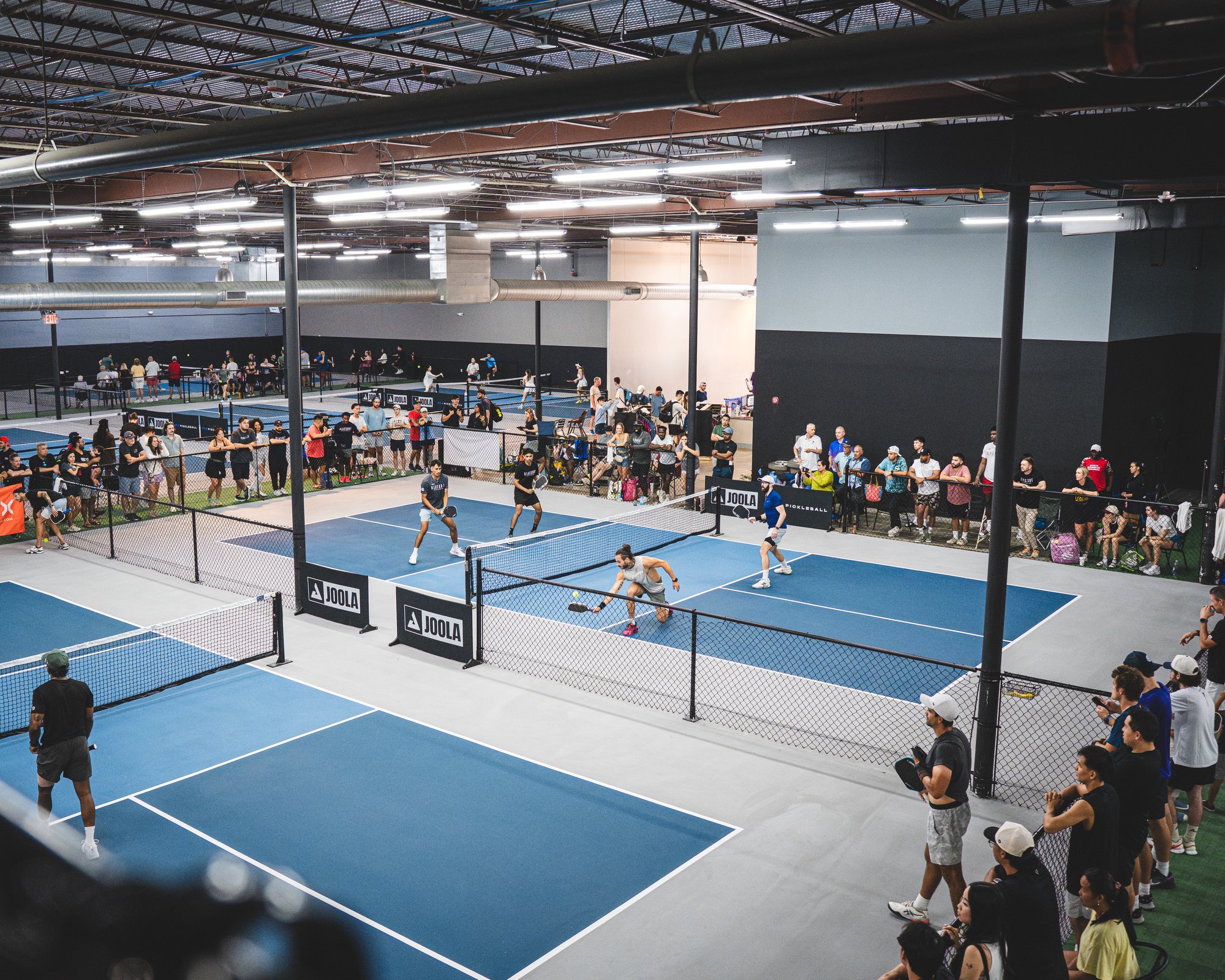
Court etiquette and core rules
The court etiquette at Era Pickleball is built on a simple premise: courts are shared spaces, and everyone benefits when players act with clarity and respect. The rules are a living document, always refined by players’ experiences and staff guidance. The center’s staff emphasize patience, especially during peak hours, and encourage players to rotate in and out with a sense of generosity toward newer players. The core rules revolve around service order, line calls, safety checks, and smooth transitions between different groups. It’s common to see a quick verbal agreement at the end of a point, a mutual nod when one team takes a timeout, or a quiet acknowledgement when a ball leaves the court and gets returned to the next rotation.
One of the most important ideas in court etiquette is honesty in line calls and calls on the ball. Integrity can be tested in a fast rally, when players are focused on their next shot and might miss a borderline call. The center expects calls to be made honestly and promptly, with respect given to your opponents. If a dispute arises, the preferred path is to pause play, verify the call, and resume. The staff at erapickleball.com pickleball center train players to resolve disagreements with minimal drama and to avoid public disagreements that slow everything down. The net effect is a tighter, more predictable pace of play that makes it easier for everyone to plan their day around the schedule.
Then there is the essential discipline of keeping balls in play and making space for other players. If a ball from a nearby court crosses into your court during a point, there is an established protocol: call for the ball, give back the ball with a quick, neutral gesture, and resume as quickly as possible. The idea here is to minimize interruptions and to maintain a steady rhythm that keeps all the courts moving. In a busy center like Era Pickleball, this rhythm matters for beginners who are watching and learning as much as for the players who are actively competing.
The rules for serving are fairly rigid and designed to ensure fairness across all levels. The server must have both feet behind the baseline until contact, the paddle contact must be below the waist in most leagues, and the serve must land diagonally in the opposite service court. If you’re new to the center, you’ll likely practice under the supervision of a coach who can walk you through the mechanics step by step. Back-and-forth coaching is common in the Era Pickleball academy sessions, but during free play, players switch to independent execution with supportive calls from teammates.
As you advance to more competitive play, you’ll notice the way the center handles timeouts, substitutions, and roster rotation. Timeouts are a practical tool for strategy and recovery, not a chance to vent frustration or retrace a full argument about a call. The staff views timeouts as a chance to reset tempo, discuss a quick adjustment, and re-engage with a focused objective. Substitutions are managed to keep games equitable and to avoid mismatches that would degrade the quality of the session for others waiting nearby.
Drills and drills culture at era pickleball academy
A pickleball center thrives when coaching and practice are woven together seamlessly with competition. The Era Pickleball pickleball academy has built a culture around purposeful practice and accountable play. Drills are designed to be efficient, replicable, and scalable for players at different skill levels. A typical drill session might begin with a warm-up sequence that emphasizes footwork, balance, and racket head control, followed by a series of small-sided games that emphasize movement angles and court awareness. You’ll see coaches pair players with a range of skill levels, encouraging newer players to observe and emulate the moves of more experienced players while giving the more advanced players a chance to reinforce mechanics through teaching.
A recurring theme in practice at the center is the emphasis on controlled aggression. You learn to push your boundaries without sacrificing safety or control. The coaches will push you to rotate into different positions, to recognize the best moment to strike versus to reset, and to protect your partner when you’re in a high-pressure rally. It’s not about every shot being a winner. It’s about building a reliable framework you can count on when the stakes are higher in a game with more at stake than just pride.
The center also offers clinics, round-robins, and social play that run alongside the more formal training streams. These activities are curated to create opportunities for players to test new skills in a supportive environment. Social play is not a free-for-all, but it is a space where beginners can practice under the watchful guidance of volunteers and staff, who help them keep the pace comfortable and the rules clear.
Playing with guests and family
Era Pickleball is a place that welcomes guests, but it manages the flow of visitors with a steady hand. If you bring a guest to the center, you’re expected to brief them on the basic etiquette and rules. This is not a private club. It is a community center where everyone nails the fundamentals in a shared space. Guests should arrive on time for their court assignments, respect the posted guidelines, and refrain from interrupting ongoing play unless it’s an emergency or a safety concern. The staff can help you locate the appropriate court, arrange a quick coaching session if your guest wants feedback, or pair your group with a more experienced player who can offer tips while keeping the session productive for everyone.
The etiquette you model with guests will influence how they remember the day. If you coach your guest to call shots honestly, to rotate in for doubles, and to avoid stepping on lines while a point is in progress, you’ll leave a positive impression that brings them back to erapickleball.com pickleball academy time and again. The center’s staff can also help with equipment suggestions for guests who may not own paddles or proper footwear for indoor play. The idea is straightforward: remove friction so someone new can enjoy the sport without the pressure of figuring out every rule from scratch.
Court layout and daily rhythms
There is a distinct rhythm to a day at a pickleball center like Era Pickleball that makes it easier to plan your sessions around work or family life. There are peak periods when the energy is high and courts fill quickly, and there are quieter windows when you can run longer drills or focus on specific technique with a coach. The management team at erapickleball.com pickleball center uses online booking and on-site staff guidance to optimize this flow, ensuring that each court has an allocation for instruction, for open play, and for rentals. This triage helps ensure you won’t be left waiting indefinitely, and it also preserves the quality of the experience by avoiding overcrowding a single court.
The design of the facility itself matters for how etiquette is practiced. Clear sightlines matter because staff and players can see the court from almost anywhere in the building. The nets are sturdy and height-adjustable during coaching sessions, and floors are maintained to keep the ball predictable. The lighting is designed to minimize glare, which helps players judge line calls more accurately and avoid miscommunication during a rally. The staff take pride in continual small improvements that make the center safer and more welcoming, from better ventilation in crowded rooms to improved signage explaining the local rules for court rental and fast substitutions.
Two practice-ready lists to keep on hand
To help you navigate a typical day at erapickleball.com pickleball center, here are two compact lists that capture the essentials without turning the article into a checklist you fear you’ll http://erapickleball.com/ forget on your drive over.
What to bring to the center
- Court-appropriate footwear with non-marking soles
- A water bottle and a towel for sweat management
- A spare paddle if you have one and a friendly pair of grips for quick adjustments
- Comfortable athletic clothing that won’t hinder quick pivots
- A small bag for storing personal items when you head to a court
Etiquette quick reminders
- Call lines and out calls promptly and honestly
- Let faster players or groups finish a rally before stepping onto a court you’re assigned to share
- Announce substitutions or changes in doubles lineups with a simple, clear voice
- Keep voices calm and avoid shouting during points or coaching comments
- Thank your opponents at the end of a match and leave the court as you found it
The two lists are intentionally compact, but they reflect the practical realities of playing at Era Pickleball pickleball center. If you want more nuance, you’ll find it in the ongoing coaching sessions, the clinics, and the casual conversations you’ll have with staff and fellow players who have built years of experience in this specific center and within the broader erapickleball.com pickleball academy network.
Community standards and handling conflicts
No environment as dynamic as a pickleball center is free from moments of friction. The key is how those moments are handled. When a call is disputed, the most productive approach is to pause with a courteous advisory tone and invite a quick second look from a coach or a neutral observer. The staff at Era Pickleball center are trained to de-escalate with neutral language and to guide players toward a resolution that preserves time on the court for everyone involved. If a dispute cannot be resolved on the court, staff may intervene, document the incident, and schedule a short follow-up with the players involved to review the rules and the practical implications for future matches.
Another important aspect is the treatment of beginners and less experienced players. It’s common to see veterans offer a quick pointer or a gentle tip when they notice a player struggling with a return or a return of serve. That kind of mentoring is part of the fabric of the center. It keeps the energy positive and helps new players build competence without feeling intimidated. When you’re handing your court to a group that includes a new player, you can be the difference between a discouraging experience and a constructive one. The tone you set matters as much as the technical advice you give.
If you encounter behavior that undermines the center’s culture—whether it’s persistent griping about calls, a pattern of unsafe play, or disrespectful talk toward staff or fellow players—the recommended path is to report the incident to staff. They will assess the situation, talk with those involved, and take appropriate action to maintain the safety and welcoming nature of the center. The policy at erapickleball.com pickleball center emphasizes transparency, accountability, and a shared responsibility to make the space safe for everyone.
Court rental, booking, and flexible scheduling
Era Pickleball is designed to accommodate a diverse set of players and use cases. If you’re renting a court for a private workout, you’ll appreciate how straightforward the process is, from the initial booking to the final check-out. The center uses a reliable scheduling system that displays real-time court availability, and staff can help you optimize your time if you’re planning a training block or a family session. For those who need a coach, you can arrange a private lesson or join a small-group clinic through the same system. The coaching staff, drawn from the erapickleball.com pickleball academy network, brings a wealth of experience across levels and styles. They can tailor drills for your particular goals, whether you’re prepping for a tournament, working on a dry-fire routine, or training for a specific shot.
The rental experience also means you’ll consider paddle and ball choices. The center maintains a range of paddles in different weights and grip sizes, and you’ll notice how the staff suggest equipment that complements your current form. If you’re renting, try not to be shy about asking questions. The staff are used to working with players who are upgrading gear or trying out a new paddle for the first time. They’ll explain how weight, balance, and grip circumference influence your control, power, and maneuverability on the court.
Edge cases that come up in practice
There are a few situations you’ll run into that aren’t ordinary but happen with some regularity. For instance, when you’re playing doubles and one partner has a different skill level, you’ll want to maintain a balance between challenge and fairness. The best approach is to rotate players so that everyone experiences a similar pace while the higher-skilled players still push themselves and help their teammates learn. The center staff often encourage this practice as a way to maximize the learning that happens in a single session. It also prevents a single strong team from monopolizing a court and discouraging newer players from returning.
Another edge case is dealing with a missed ball that ends up on another court. The etiquette here is to acknowledge the interruption with a neutral gesture, retrieve the ball quickly, and resume play. It’s not productive to argue about whether a ball was in or out when you’re dealing with the logistics of the moment. The center’s approach emphasizes a calm, quick transition so that your day doesn’t become bogged down by a single call. That philosophy extends to the way staff handle more complex disputes. They aim to model restraint and clarity rather than escalation, which in turn teaches players to respond in kind.
The value of routine and ritual
People who stay with erapickleball.com pickleball center over the long term often speak to a personal shift in how they approach the game. They discover that routine—safety checks, inventory of equipment, a familiar warm-up, a predictable way of rotating players—creates a stable platform for growth. The routines are not rigid barriers. They’re scaffolding that supports a player’s ability to learn, to trust their partners, and to manage fatigue during longer sessions.
If you’re curious about where to start, the best move is to observe. Watch how experienced players handle calls, how coaches guide beginners through the service entry, and how the center cultivates quiet, purposeful competition. You’ll notice that even when a match becomes intense, the atmosphere remains respectful. That is the signal that you’re in a space that values skill and character in equal measure.
Closing thoughts and a practical invitation
The erapickleball.com Pickleball Center embodies a way of playing that respects both the instrument and the players. The court rules and etiquette aren’t a burden. They’re a path to a more enjoyable, longer-running relationship with the sport. If you’re a member of the Era Pickleball pickleball center community, you’ve likely discovered that the rules and norms are a living thing, updated in response to real life on the court and the evolving needs of players and staff. The real reward is that you get to become part of a culture that helps you improve while keeping competition fair, safe, and energizing.
Whether you’re renting a court for a family session, joining a structured clinic at the Era Pickleball academy, or looking for coaching at erapickleball.com pickleball center, the etiquette you bring will set the tone. It will influence how quickly you progress, how comfortable your fellow players feel, and how effectively you can use the center’s resources. The aim is not to police every moment of play but to create a sense of shared responsibility. When you arrive with this mindset, the center feels less like a facility and more like a living training ground for your best game.
If you’re new to the sport or new to Era Pickleball specifically, here are a few practical tips to get you started without friction. First, arrive early enough to stretch and warm up without feeling rushed. Second, observe the etiquette that guides other players in the group you join, especially when you’re a guest. Third, ask questions when you’re unsure about a call, a rule, or the use of a particular court. Finally, be generous with your praise and constructive with your feedback. A comment delivered with care will be remembered longer than a sharp retort.
There is no shortage of opportunities to grow at erapickleball.com pickleball academy and center. You can enroll in clinics designed to sharpen specific aspects of your game, participate in round-robins that test your adaptability, or simply book a court rental for a focused practice block. The key to maximizing your time is intentionality: decide what you want to achieve during your session and align your actions with that objective. The center will provide the conditions you need, but the result depends on how you show up.
In the end, the etiquette and rules of the Era Pickleball center are not about constraint. They are the quiet infrastructure that makes your own development possible. The more consistently you apply them, the more you’ll notice how your position on the court improves, how your cooperation with partners grows, and how your enjoyment of the sport deepens. That is the real payoff of playing at Era Pickleball—the chance to become a better player by being a better teammate, in a space designed to reward thoughtful play and respectful competition.