Court Etiquette and Strategy with Era Pickleball coaching
The first time I stepped onto a pickleball court with a group of players who had already carved a rhythm into the morning, I learned something simple and essential at once: etiquette is not a garnish. It is the backbone of the game. It shapes who shows up, how energy moves between players, and how reliably a session turns into real improvement rather than a repetition of rituals and friction. Era Pickleball coaching has taught me that etiquette is not a separate discipline from strategy. It sits at the intersection where intention meets opportunity, where a well-timed call or a considerate reset can unlock a decisive point and protect a teammate from frustration that clouds judgment.
If you are skimming for the practical, you will find the core ideas below braided into stories from court corners and clinic rooms. If you prefer the longer route, you will come away with a sense of how Era Pickleball pickleball classes shape habits that endure past the warm-up whistle, how pickleball classes Era Pickleball frames the learning curve, and how the coaching ethos translates into real games. The aim is to render both court courtesy and tactical sensibility as complements that elevate your play rather than as competing demands on your attention.
Court etiquette is a form of respect with a measurable impact. It is not merely about who has the right of way or who wins the rally. It is about how players communicate when the ball sails out of bounds, how they handle a line call they aren’t sure about, and how they reset after a mistake that changes the mood on the court. In Era Pickleball coaching sessions, etiquette becomes a shared language. It is the quiet agreement that you will not escalate a tense moment, that you will keep your focus on the ball rather than the drama around it, and that you will acknowledge the risk of miscommunication by choosing precise calls, clear signals, and patient explanations.
From the first day of a session, I hear a recurring message in Era Pickleball pickleball coaching: your physical game is inseparable from your social game. A well-timed dink, a patient reset, a smart poise at the baseline do not operate in a vacuum. They depend on how well you coordinate with your partner and how elegantly you manage the pace of the rally. The court becomes a shared space, and the etiquette you practice in warm-ups—the way you acknowledge courtesy, the way you communicate your intentions with intention rather than harsh words—sets the tone for every rally that follows. People remember not only the point they won or lost but how you treated them at the moment of decision.
What follows blends practical guidance with the texture of real-world experience. It draws on specific moments from Era Pickleball pickleball classes and coaching sessions, where the blend of technique and manners creates a predictable, enjoyable environment that still pushes players to improve. Expect examples drawn from drills, from on-court conversations, and from the quiet adjustments that compound into a reliable game plan.
A framework for etiquette and strategy that works in real games
The core idea behind court etiquette in pickleball is consistency. Consistency of voice, signal, and action creates a reliable environment. Consistency of position, tempo, and shot selection creates a predictable platform for execution. When you combine these in a session, you produce an atmosphere where teams can anticipate each other’s moves and adjust without friction. Era Pickleball coaching uses practical language to help players translate this into daily habits. It is not about rigid rules but about dependable cues—the kind you can lean on when the pressure of a well-placed shot or a jittery moment in the score makes you tense.
One practical consequence of this approach is toward pre rally behavior. For instance, a quick check-in with your partner before starting a point can prevent miscommunications that lead to mistaken doubles calls or mis-timed poaches. In a busy clinic, you might see players quickly align their intentions with a brief, almost wordless exchange of eye contact. This small ritual reduces the likelihood of a messy exchange when the ball is hot, which is a favor to both teammates and opponents. The aim is to protect the rhythm of the rally while preserving the margin you need to execute precise placements.
Etiquette in era play begins with how you prepare to play. Your shoes grip the court the moment you step onto the surface; your attention steadies as you pace to your mark. If you are coaching in the Era Pickleball framework, you will hear specifics about how to set up your stance for a dink, how to breathe to ease tension, and how to pace your feet so your body stays light and reactive. The coaching philosophy does not treat these as separate tasks; they are integrated into the drill list and the live play you engage in. The better you are at combining the technical with the courteous, the more you will notice how your partners respond: more decisiveness, less hesitation, less second-guessing that can disrupt the flow.
On the strategy side, Era Pickleball coaching emphasizes two things that tend to travel together: clarity of role and control of tempo. If you can articulate your role to your partner—whether you are the patient wall at the kitchen line, or you are the pressure driver on the back boundary—you unlock a kind of silent teamwork that reduces confusion under pressure. Control of tempo means knowing when to push and when to absorb. It is not about slow play for its own sake; it is about orchestrating rallies so that mistakes are less costly and opportunities to attack are more accessible.
A typical practice session in Era Pickleball pickleball training will include a blend of live drilling and structured feedback. The drills may begin with warm-ups that emphasize footwork and balance, then move into dink exchanges that test patience and precision, and then shift toward short games that reveal how well players apply courtesy and tempo under real scoring pressure. What makes the coaching distinct is the way feedback is delivered. It is constructive rather than punitive. It focuses on actionable adjustments rather than generalizations. The coaches know that players learn through repetition, but they also know that repetition without feedback becomes mere muscle memory without the nuance that can turn a good shot into a great option in a tight rally.
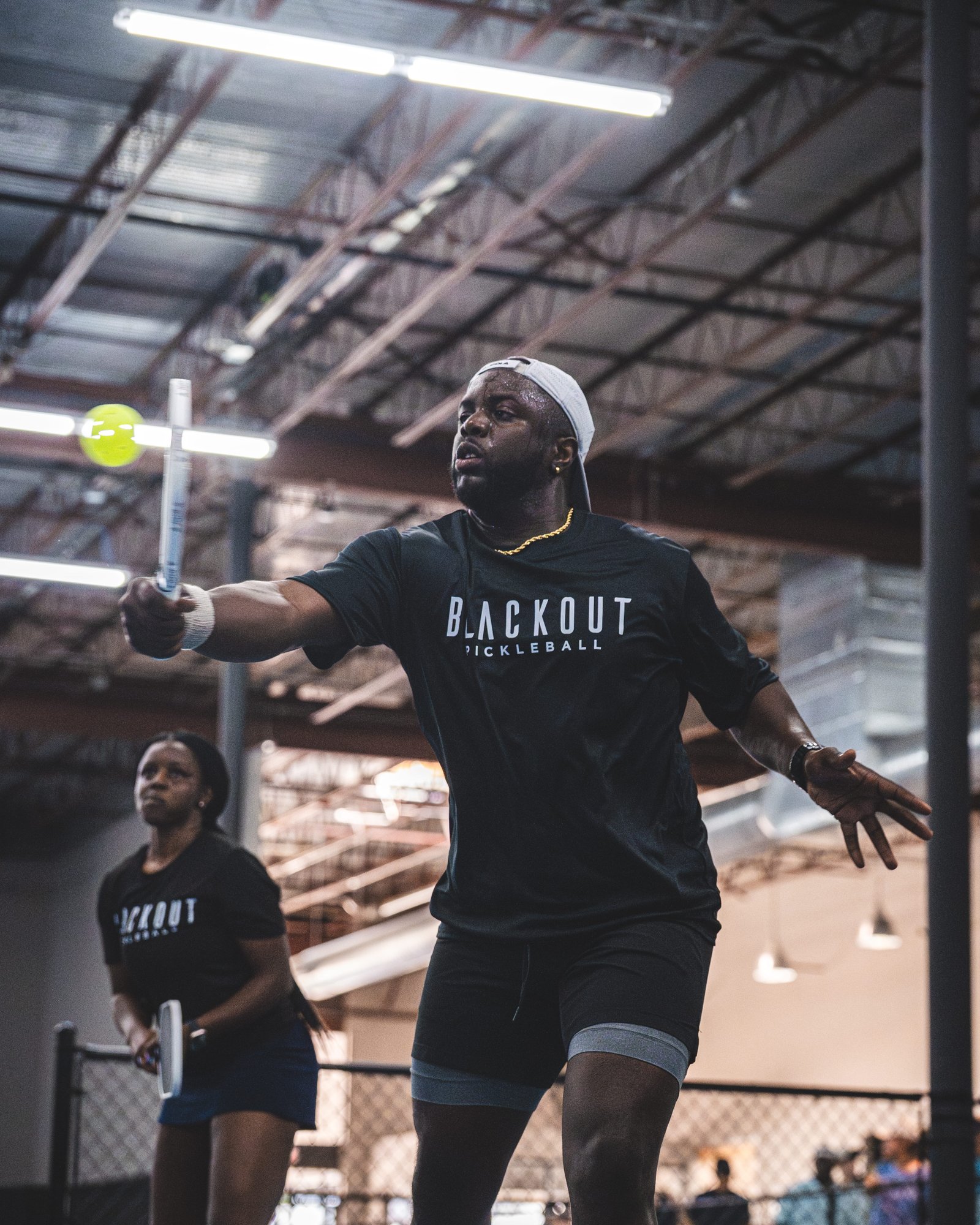
The human element of court etiquette often reveals itself in moments that are not part of the drill plan. A ball sails long and lands near a boundary. The player who calls it out, graciously and calmly, often triggers a wave of relief and renewed focus for the other players. In the coaching rooms, these moments are not dismissed as surface niceties; they are treated as micro-lesson opportunities. The best coaches in Era Pickleball pickleball classes will slow down a moment to discuss what happened, why the call mattered, and how to avoid repeating the same misstep. You walk away not just with a technique improvement but with a sharpened sense of how to manage your own emotions and your communication under pressure.
The drafting of a game plan that respects etiquette while still pursuing a win is a delicate exercise. You want to keep the ball in the hands of your best shot-makers when it matters most, yet you do not want to trample on the rhythm that a partner has established. The balance resembles a dance, where steps come from the floor and from the dialogue you share with teammates. Era Pickleball coaching helps players practice that balance in a controlled setting, where outcomes are educational rather than punitive. You learn what to push, what to conserve, and how much to reveal about your intentions before the moment of contact.
Practical steps that reinforce etiquette on the court
Over the years, I have seen three behaviors consistently correlate with higher levels of enjoyment and performance in Era Pickleball pickleball training. The first is proactive communication. Even in the heat of a point, players who maintain a steady stream of brief, clear, courteous calls tend to collide less and recover more quickly from miscommunications. The second is a habit of pause. When the rally ends or a ball is out, a brief reset—two breaths, a quick check-in with your partner, a reaffirmation of the plan—reduces the likelihood of a spillover into the next point. The third is humility. Pretend you are teaching a new player every time a tough shot lands in your kitchen. Acknowledge the difficulty of the shot, offer a quick tip without lecturing, and move on.
Two concrete avenues for building these habits emerge from Era Pickleball pickleball classes. First, frequent, short calls during the point can be your ally if you keep them precise and constructive. A quick, "I’ve got middle," or "Mine," done in a steady voice, reduces the overlap that leads to doubles collision. Second, a deliberate post rally routine can anchor your etiquette in practice. A simple sequence of acknowledge, recap, adjust, and reset is not a gimmick; it is a practical framework for turning the learning from the drill into game-ready behavior.
Lists to guide practice sessions
Preparation matters as much as technique, particularly when you are building a long-term habit around etiquette and strategy. Here are a few preparation steps I have found indispensable in Era Pickleball coaching sessions:
- Arrive early to give yourself time to warm up, survey the court, and settle any nerves that could cloud judgment.
- Check your equipment and the condition of the court. A slick or dusty surface changes drop angles and can lead to unnecessary slips and contact errors.
- Confirm with your partner the plan for the opening exchanges so you begin on the same page rather than discovering your roles after the first rally.
- Observe the opposing pair for a moment. Not to scout their strategies for exploitation, but to notice how you and your partner can adapt to the rhythm they bring.
- Set a brief personal objective for the session, such as improving a specific shot, improving the quality of your resets, or refining your poach timing in particular.
Equally important is how you handle a variety of court etiquette situations. Here are five essential do's and don'ts that tend to hold up under pressure in Era Pickleball pickleball classes:
- Do call balls clearly and calmly, even if you are unsure. Do not shout in anger or blame.
- Do seek ideas for calls when you are uncertain, and listen to your partner's perspective with respect.
- Do acknowledge mistakes without chest-thumping or excuses; a simple, "My fault, resetting now," goes a long way.
- Do maintain a steady pace of play, matching your partner’s tempo rather than forcing an aggressive swing into every rally.
- Do celebrate small progress openly, but keep the tone constructive so teammates can hear it and feel motivated without getting overwhelmed.
These guidelines are not hard rules, but they do become reliable benchmarks in Era Pickleball coaching environments. They help you translate technique into practice, and practice into games where your etiquette is as much a part of the strategy as your serve or your volley.
From etiquette to strategy: how the two feed each other
The connective tissue between etiquette and strategy in Era Pickleball coaching is the clarity that comes from disciplined practice. When you rehearse a point with a partner, you are not merely practicing the shot you intend to hit. You are rehearsing the decision you will make when the ball is on the line and the clock is ticking. Etiquette becomes your tool for maintaining that clarity under pressure. For example, when you and a partner have developed a shared understanding of who covers the dink at the kitchen line, your communication can focus on timing rather than disclaimers. In that moment, strategic options open up because your attention is not broken by confusion.
This is where Era Pickleball pickleball training shines. The training environment is not an endless series of drills designed to force a single style of play. It is a laboratory for exploring options within a framework of courteous behavior. You learn to read the court quickly—where the ball is likely to rebound, how the bounce affects your footwork, and which shots grant you the best probability of success given the current mood of the rally. You also learn to read people. You notice—subtly and sometimes not so subtly—when a partner is seizing the moment, when a slick short ball may create a vulnerability, or when a defensive drive can transition into an offensive sequence. The awareness you gain from this kind of coaching is invaluable; it translates into smarter shot selection, stronger court sense, and a more robust ability to manage the psychological side of the game.
In practice, this means you end up with a strategy that respects both the skill of your teammates and the dynamics of your opponents. You will not try to win every point by overpowering a single shot if your partner is the one who should be making the point. You will instead balance energy across the court, using etiquette to ensure that your strategy unfolds smoothly rather than flaring into tense, counterproductive exchanges. The most interesting outcomes in Era Pickleball coaching happen when players discover that courtesy and aggression can coexist, each occupying a lane that supports the other. The result is not meek play, but confident play that stays in control.
The role of feedback in shaping long-term performance
Feedback is the lifeblood of improvement in any sport, and pickleball coaching at Era Pickleball is keenly aware of this. The best feedback is immediate, specific, and focused on behaviors that the player can impact in the next rally. In the context of etiquette and strategy, that means guiding a player toward calls that are more precise, toward a smoother reset, toward decisions that reduce the number of unforced errors without sacrificing the ambition that makes a rally exciting.
One-on-one sessions offer a different caliber of feedback than group clinics. In private coaching, you get a mirror held up to your personal tendencies—your habitual patterns of movement, your preferred call structure, and your instinctive reactions when pressure rises. The private format helps to identify subtle habits that could sabotage performance during tight matches. In a group setting, feedback is more about the social fabric—how players communicate, how they support one another, and how they learn to manage their emotions when a call goes against them. Both formats are valuable, and both are available within the Era Pickleball coaching ecosystem.
The edges and limits you will encounter
No coaching program is immune to the realities of the game. Etiquette can be practiced relentlessly, yet a few situations will still test your ability to respond calmly and effectively. For example, you may face a partner who becomes overly aggressive after a mistake, or a rival team that becomes loud and animated to rattle you. In Era Pickleball pickleball training, you will learn that you cannot control others’ behavior, but you can control your own response. You can model the behavior you want to see and you can turn moments of friction into learning opportunities for yourself and for your partner. The edges come from the moments when you realize that a pitch-perfect etiquette protocol can still yield a poor strategic option if you are not reading the court correctly. The limit of etiquette is not that it fails under pressure, but that strategy must keep pace with etiquette so that your response remains coherent and constructive.
In the long arc of practice, you will notice improvements in three domains: your ability to maintain composure, your capacity to communicate with precision, and your skill at converting a well-placed rally into a scoring sequence without letting the moment slip away. These gains do not happen overnight, and they do not depend on a single drill or a single coach. They emerge from multiple sessions, a steady habit formation, and a nuanced understanding of when to push and when to absorb. Era Pickleball coaching emphasizes that progress is non-linear. Some weeks bring a series of small, almost unremarkable wins—an extra inch on a dink or a calmer tone during a heated call. Other weeks reveal a visible change in the way you carry yourself on the court, a more reliable delivery of your best shots, and a stronger sense of partnership with your teammates.
A narrative of real-world sessions
I have watched players come to a clinic with nerves jangling and leave with a plan. They arrive clutching the fear of being seen as the weak link, and they depart with a clear sense of how to contribute to the team even when the scoreboard is unkind. The Era Pickleball coaching staff does not promise a magic fix. They offer a process—one that teaches you to observe, to listen, to calibrate, and to execute with purpose. It is a process that respects the game, respects the partners, and respects the court as a shared space where everyone has a stake in the outcome.
What makes the process credible is the blend of coaching wisdom and lived experience. The coaches come from a background of playing and teaching at various levels. They have felt the sting of a miscalled ball, the sting of a bad line call, and the sting of a rally that derailed because a player failed to communicate. They have also felt the lift that comes when a tough rally ends with a clean reset, when the next point starts with a confident call and a poised shot selection. They know how to translate those experiences into practical advice that players can apply in their games rather than simply admire in others.
Putting it all into practice on your court
If you are curious about how to bring the Era Pickleball approach to your own court, you can start with a few scalable steps. Begin by building a routine that treats etiquette as a strategic tool rather than a courtesy afterthought. A five-minute pre-rally ritual—briefly stating your plan to your partner, acknowledging the opponent’s strengths, and setting a tempo for the upcoming exchanges—can transform the entire session. Then, during rallies, invest in two things: precise calls and controlled body language. The calls should be brief and unambiguous; the body language should convey readiness rather than frustration. If you can master these signals, you will reduce the cognitive load on yourself and your partner, which is a major contributor to smoother and more successful play.
Additionally, embrace a practice schedule that mirrors the balance you want in your games. Dedicate time to drills that enhance your dink game, your resets, and your ability to close out points at the net without sacrificing your rally discipline. In Era Pickleball pickleball classes, the drills are not merely about hitting balls; they are aimed at building a cognitive map of how to navigate different rally tempos and how to respond with purpose under pressure. You will learn to switch gears smoothly: from the patient, careful exchanges at the kitchen line to the sudden surge of a well-timed attack when your window appears. The coaching staff will be watching for your capacity to ride these shifts without losing your composure or your etiquette.
The benefit, in the end, is not simply better wins or improved shot quality. It is a way of playing that feels sustainable. You leave a session with a more reliable toolkit for managing both your technical execution and your relationships on the court. The result is a game that flows more naturally, a collaboration with teammates in which everyone contributes with confidence, and a respect for the opponent that keeps competition clean and uplifting.
A closing reflection on the path forward
Court etiquette and strategy are not isolated skills. They are a single, integrated discipline that grows stronger with practice, reflection, and honest feedback. In Era Pickleball coaching environments, etiquette becomes a catalyst for smarter strategy, and strategy becomes a force that sharpens etiquette. The point where etiquette ends and strategy begins is intentionally blurred because the best players do not let one logic overshadow the other. They let both inform their decisions, and they trust the court to reveal the right action in the moment.
If you are reading this and thinking about the long arc of improvement, remember that the most meaningful gains are often quiet. They are the incremental shifts in how you speak to your partner, how you read a rally, and how you protect your own mental space during a high-stakes point. A coaching experience in Era Pickleball pickleball courts near me pickleball training can turn those quiet gains into durable habits that travel with you on every court you step onto. The transformation is not about adopting a single signature move but about building a resilient, adaptable approach that honors the game, your partners, and the opponents you encounter.
Ultimately, the truth I have learned from years of working with Era Pickleball coaching is that the court rewards clarity, humility, and disciplined courage. Clarity in the sense that you know what you want to accomplish in a rally and how you plan to get there. Humility in the sense that you are willing to learn from your mistakes and to give credit where it is due, whether that credit goes to a well-executed dink by a partner or a clever pass by the other side. Disciplined courage in the sense that you are prepared to push when the moment calls for it, but you do so with a plan that keeps you safe and keeps your team aligned.
As you continue on your pickleball journey, keep Era Pickleball training in view as a compass rather than a destination. The aim is not to reach a perfect moment of play but to sustain a process of growth that stays with you across matches, across seasons, and across the evolving landscape of pickleball itself. When you approach the court with a clear plan, a courteous demeanor, and an open mind, you will notice a familiar pattern: better contacts, calmer decisions, and a sense of partnership that makes every rally more rewarding. That is the heart of court etiquette and the core of strategy, woven together by Era Pickleball pickleball coaching into a single, practical, human pursuit.